Caring for our Lands Forever
Protecting a vital link between southern Maine and the White Mountains
A critical connection
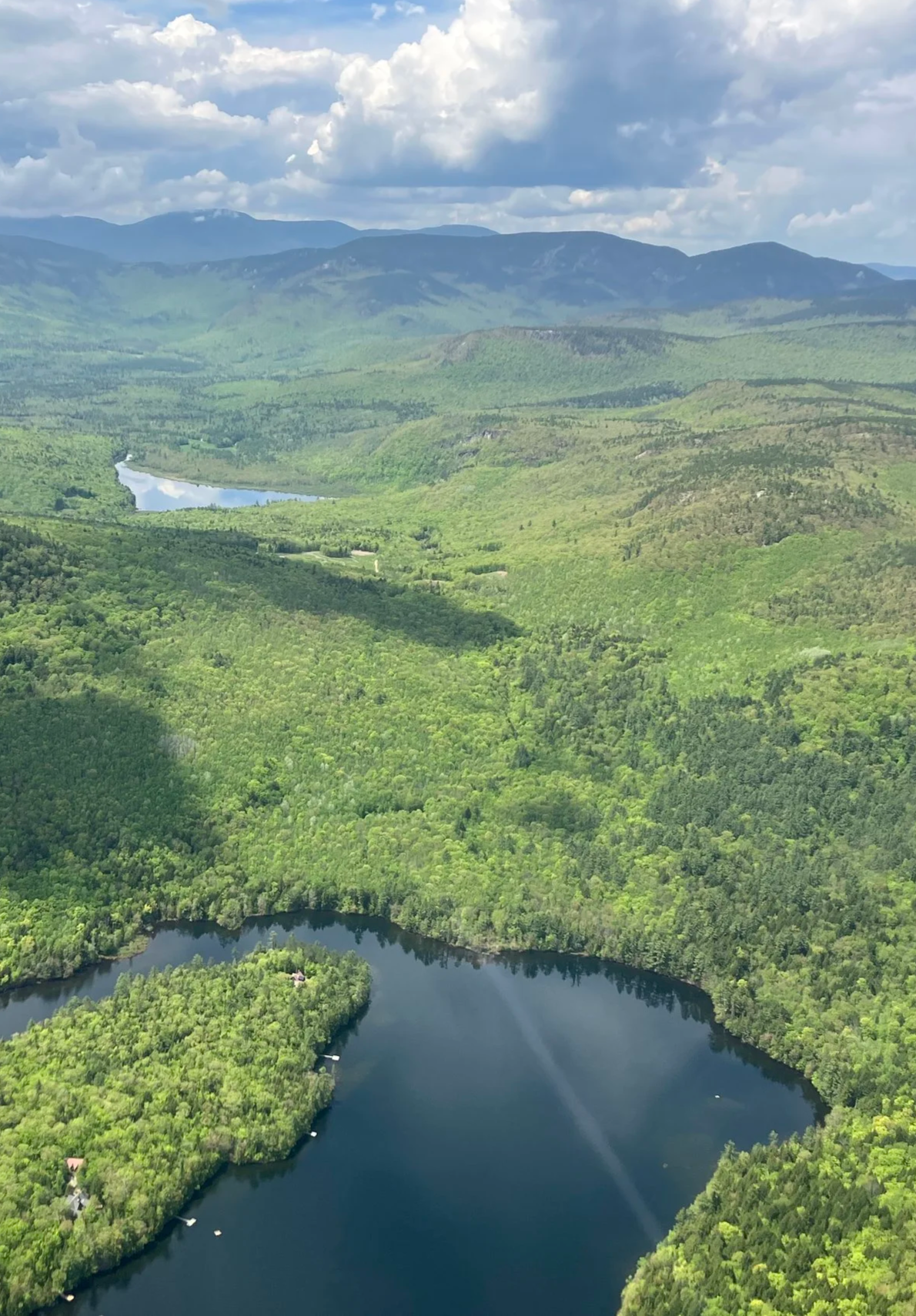
For over 40 years, Greater Lovell Land Trust has protected lands within the Kezar Lake, Kezar River, and Cold River watersheds—an area that connects two larger conserved regions: the ecologically significant Sebago Lake and Saco River region to the south and the White Mountains to the north. Nearly 10,000 conserved acres form a vital link across this landscape, supporting a range of ecosystem benefits for wildlife, plants, and people.
A changing landscape
This connection is increasingly important as the climate changes. Wildlife must move to find suitable habitat, and as invasive pests spread, we must adapt how we steward our forests to ensure their long-term health. At the same time, as we work to connect more people to the land, we must maintain existing access while creating new opportunities to experience a healthy, connected landscape. People, natural spaces, and the wildlife that depend on them are all under increasing strain.
Investing in what comes next
Today, we conserve nearly 10,000 acres across seven towns—more than 6,000 acres of which we own. As we strengthen connections across the landscape for both people and wildlife, our work must also expand to a broader regional scale.
Now is the time to ensure we have the capacity—both human and financial—to meet this responsibility and sustain the benefits of these conserved lands for
generations to come.
Connecting people to the land and each other
Access for all
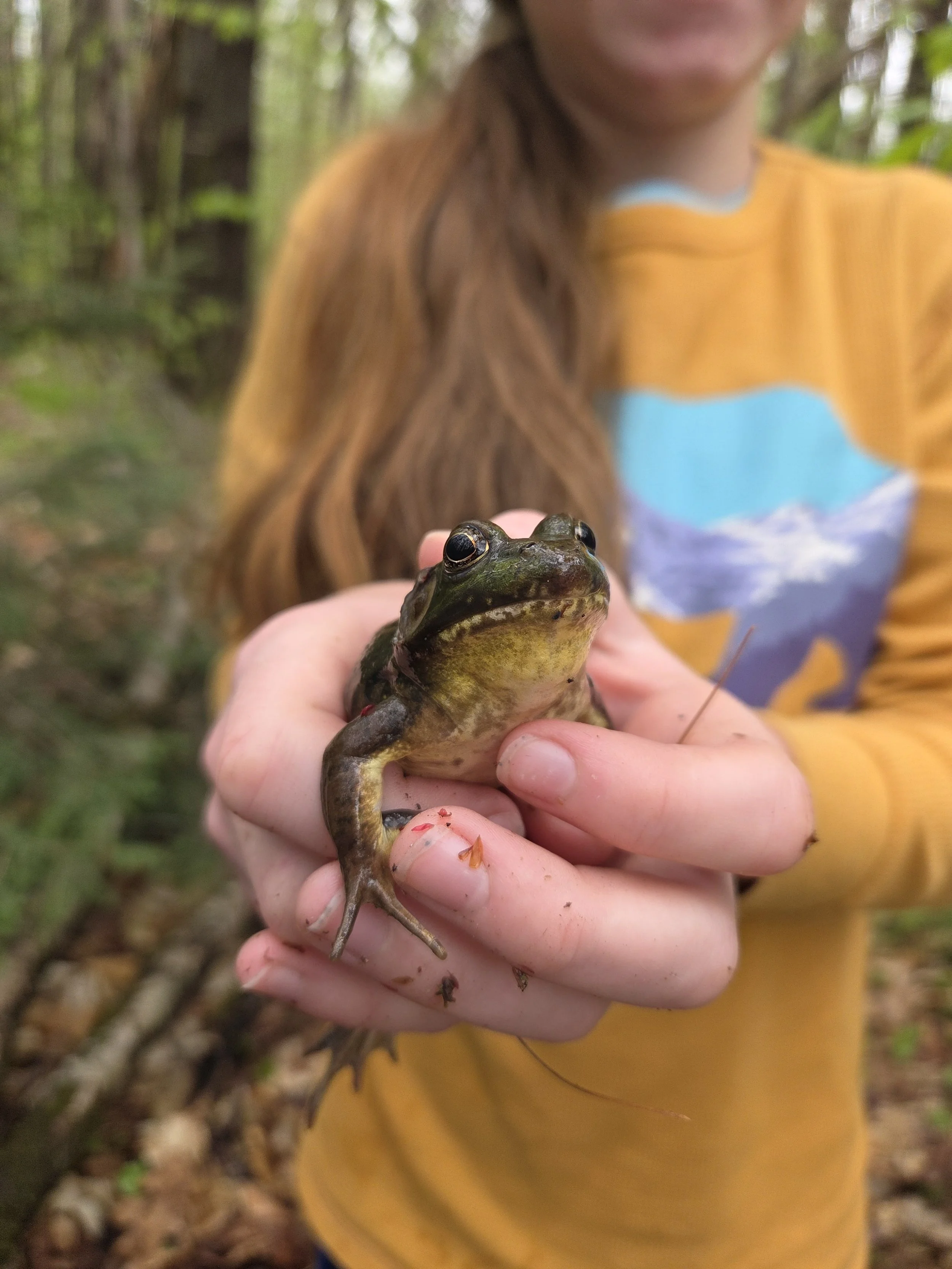
Conservation should benefit everyone and exclude no one. Across Western Maine, more people are seeking time outdoors—whether hiking, paddling, hunting, or simply finding quiet places to pause and take in the landscape. These experiences support physical and mental well-being, strengthen the local economy, and deepen connection to the land.
Be part of caring for the land — now and for generations to come.
A landscape under pressure
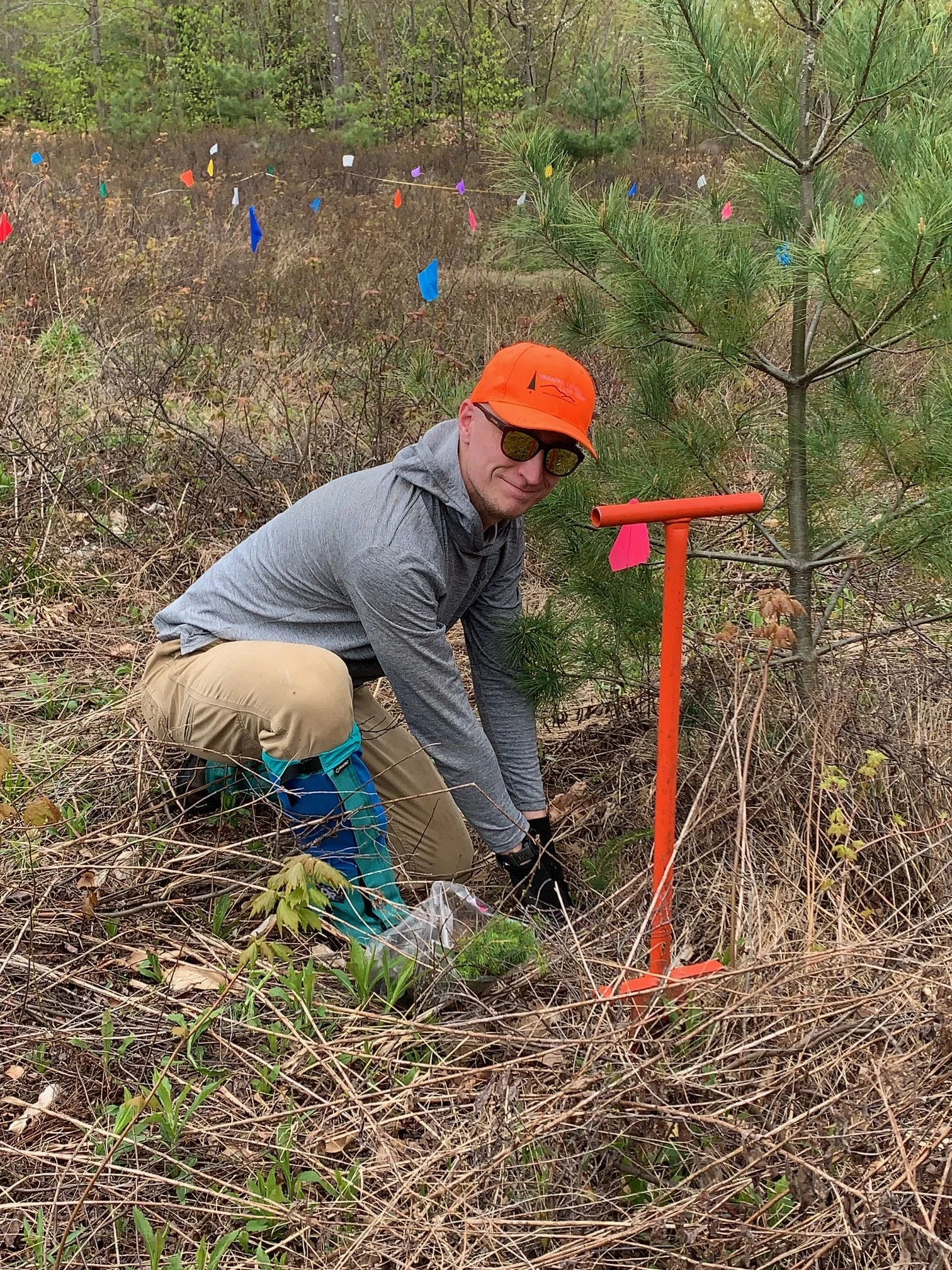
Land trust staff planting red spruce at Kezar Corridor Lands as part of a regional climate adaptation study led by UVM.
Climate change is reshaping the landscape
The lands and waters conserved by Greater Lovell Land Trust are vital to both the local community and the broader region. Nearly 10,000 acres form a critical link between the Sebago Lake and Saco River region and the White Mountains—supporting the movement of plants, wildlife, and people across the landscape. These lands also play an important role in addressing climate change by storing and sequestering carbon as forests grow.
Today, that landscape is under increasing strain. Rising temperatures can lead to drought, stressing forests, wildlife, and water systems. And each year brings fewer days that truly feel like winter, affecting both ecosystems and the ways people experience the outdoors.
Protecting this landscape requires sustained care.
Stewardship for the years ahead
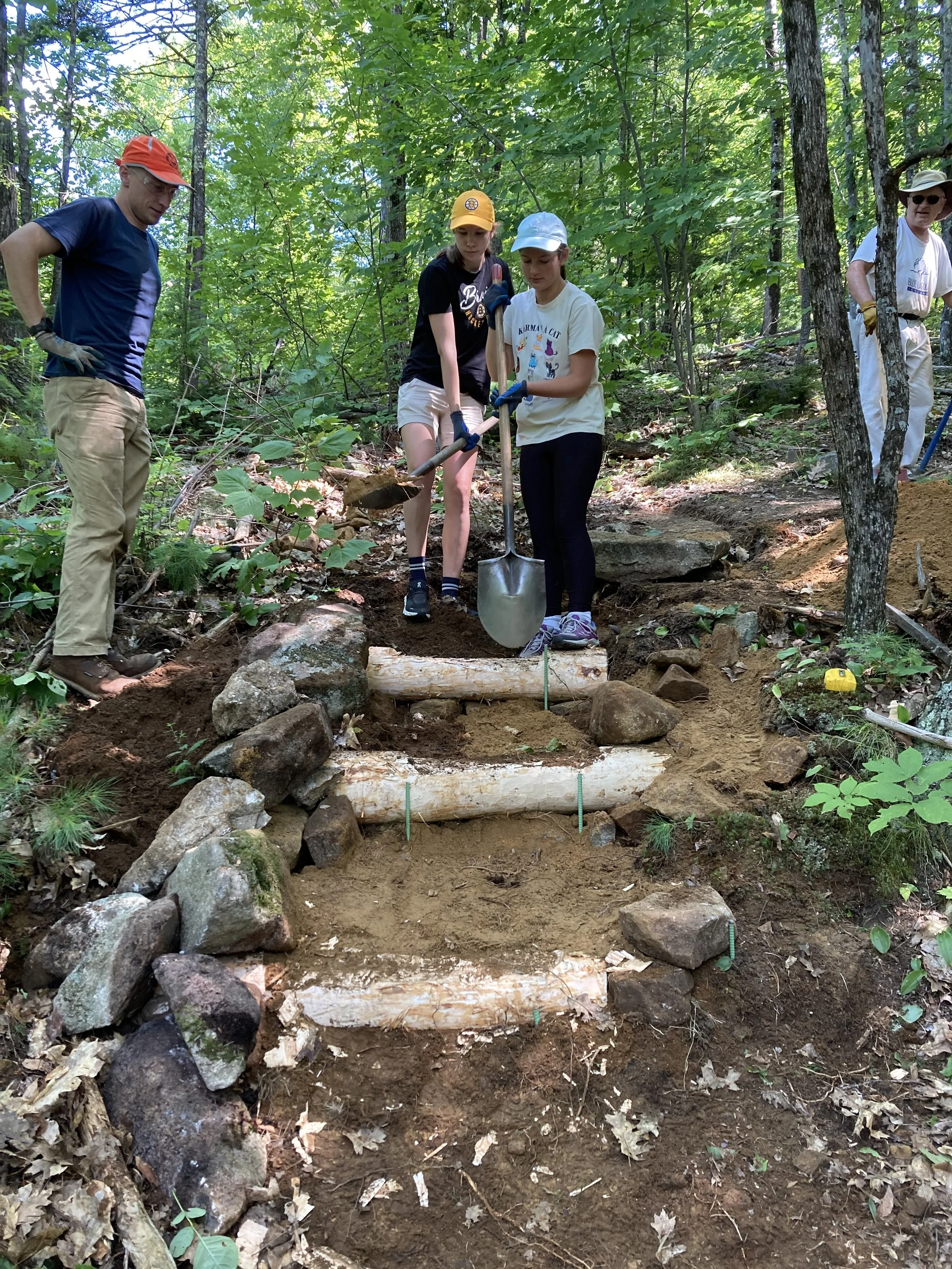
Trail volunteers improving access and long-term resilience through hands-on stewardship.
Expanding access with intention
In the years ahead, Greater Lovell Land Trust will continue to expand access to the land while planning thoughtfully for the future. This includes welcoming both traditional and emerging recreational uses, improving existing access points, and preparing for the stewardship of two newly conserved properties totaling 600 acres in Stow and Lovell.
Stewarding for resilience
At the same time, we will deepen our commitment to active stewardship—restoring and managing forests to reduce risk, improve ecological health, and build resilience in the face of a changing climate.
Sustaining long-term care
Alongside all of this, we remain committed to the ongoing care of the lands we own and to strengthening relationships with landowners who hold more than 3,700 acres of conservation easements—ensuring that these lands are responsibly stewarded for generations to come.
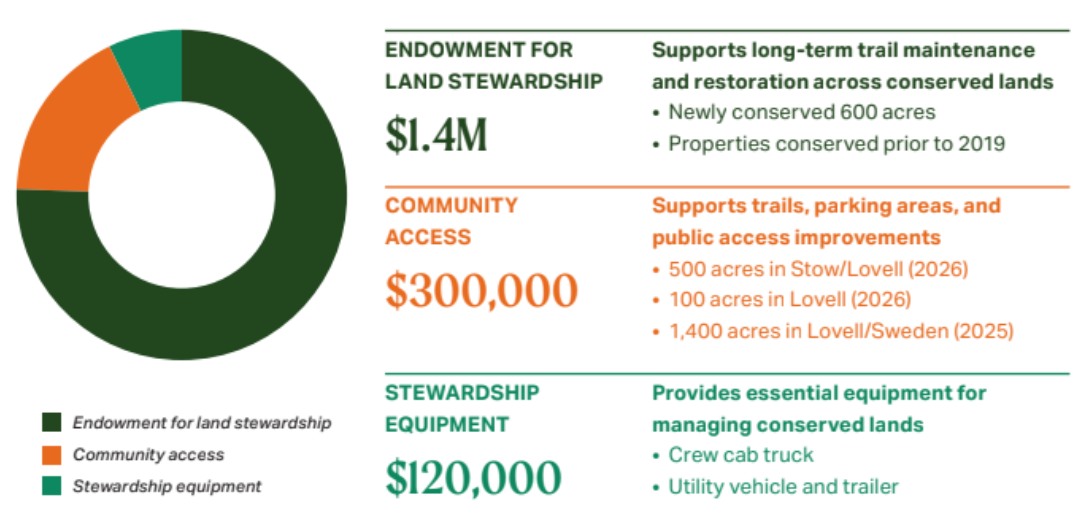
We are raising $1.8m to care for these lands— forever
As Greater Lovell Land Trust grows, so does the responsibility to care for the land.
This campaign will establish an endowment to support the long- term stewardship of conserved lands and the development of public access—now and for generations to come.
This investment will ensure that newly conserved properties can be thoughtfully managed—from building trails and access points to maintaining forest health and resilience.