
Forestry for Resilience
in Western Maine
Forests for the Future
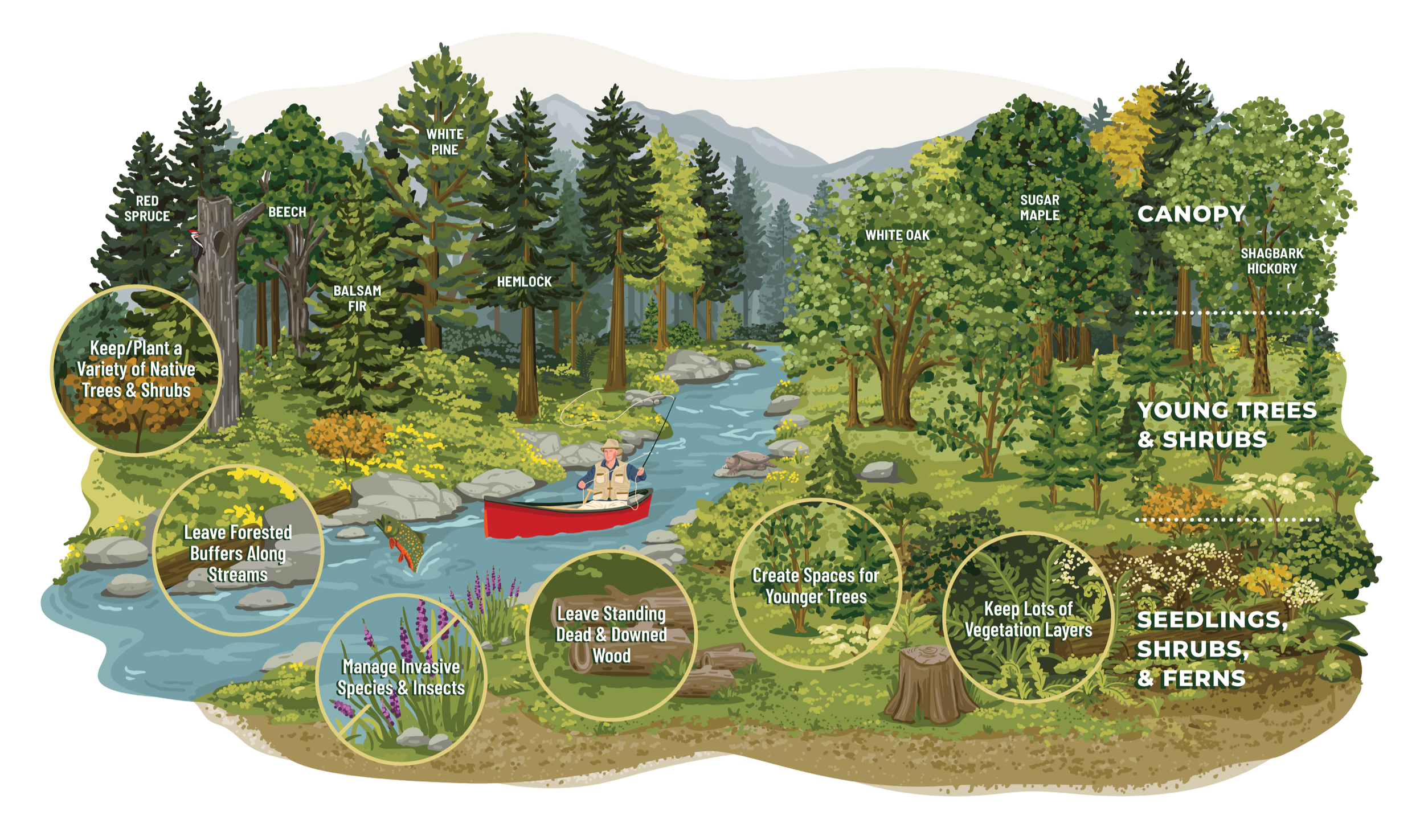
Maine is the most forested state in the nation, at 90% forestland. These forests support the majority of Maine’s 20,000 wildlife species and sustain rural communities statewide. Healthy forests are critical to the well-being of all.
Our forests face ongoing pressures from a changing climate and a growing number of other stressors. More frequent high-intensity storms, prolonged droughts, increased wildfire risk, invasive plants, and new insect pests all inform our approach to forest stewardship.
Common forestry practices applied with future-oriented outcomes in mind can build resilience into our region’s forests and economy.
Our goal: Increase forest resilience on 5,000 or more acres of conservation and other private lands from sebago Lake to the Mahoosuc Mountains by 2030
Our Approach
The future of Maine’s forests is uncertain. We are preparing our forests for a variety of possible future conditions by diversifying our management portfolio.
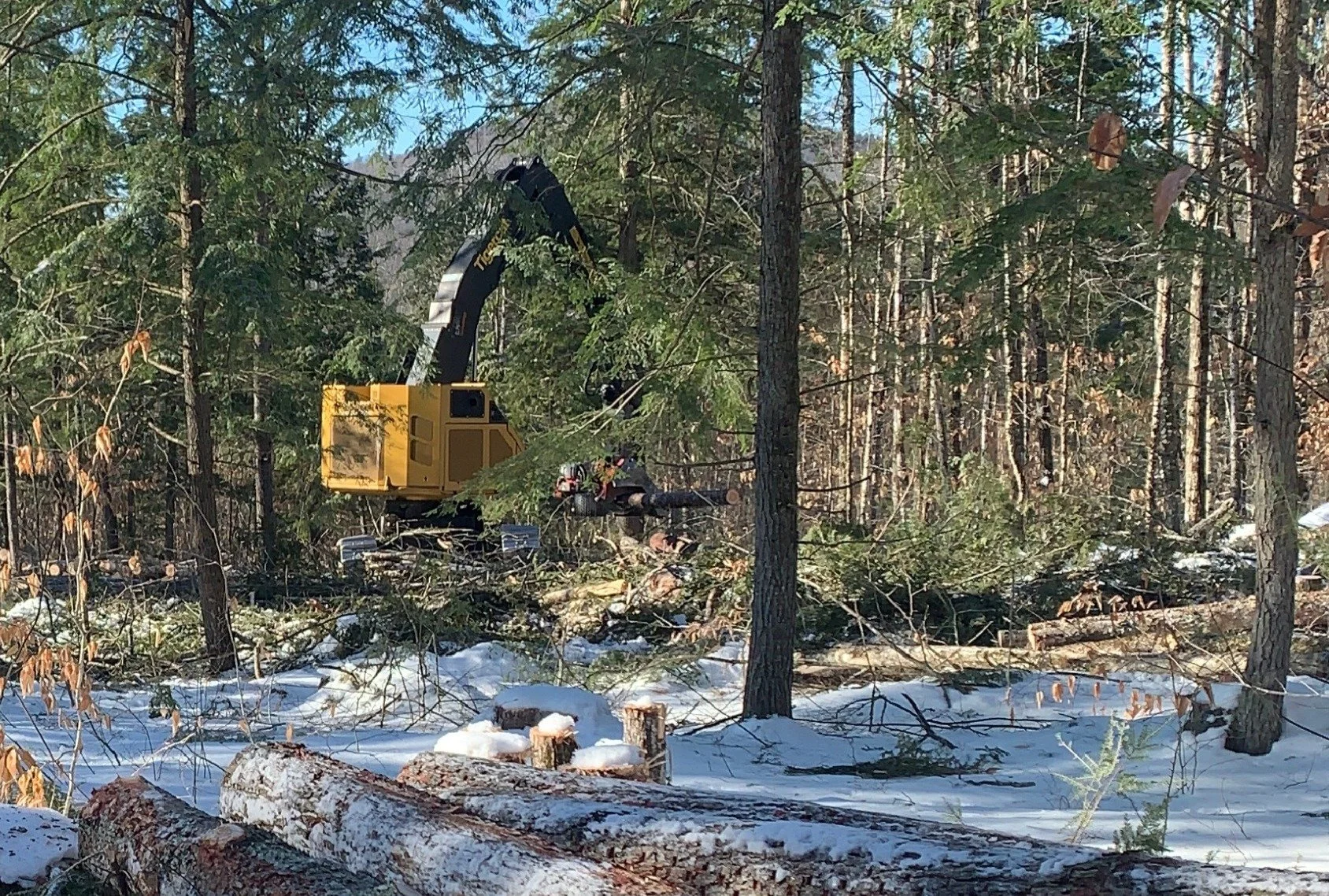
thinning the canopy to boost tree health
In some cases, thinning mature trees makes those left behind healthier and more resilient to forest pests. For instance, thinning eastern hemlock keeps tree canopies drier and prevents branch contact among tree canopies, both of which help slow the spread of the non-native hemlock woolly adelgid, which can kill hemlock trees. Reducing tree density also increases the vigor of those remaining. We are trying a similar thinning approach with mature American beech trees in the face of beech leaf disease.
“Sprucing up” the tree gene pool
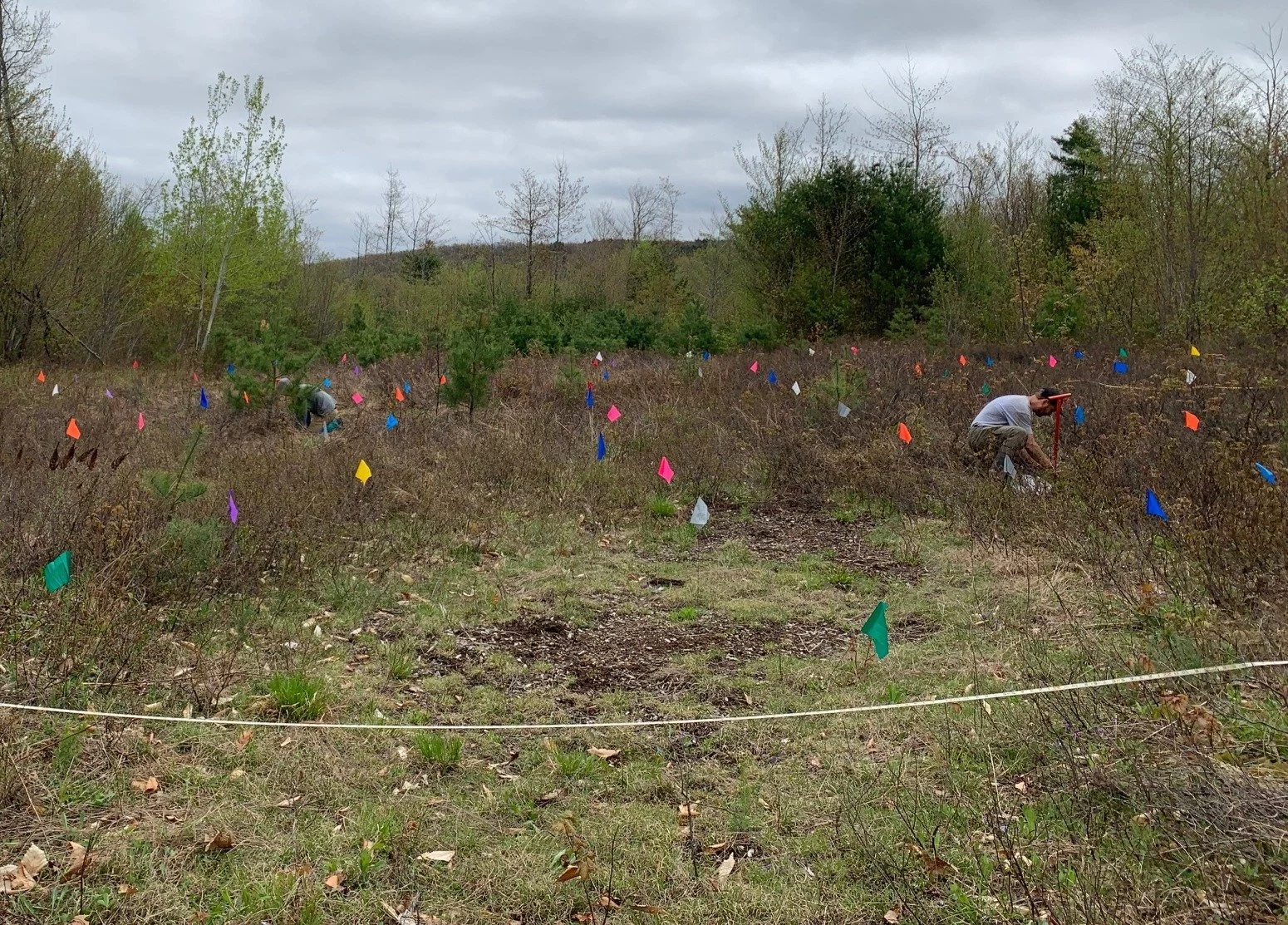
In partnership with the University of Vermont (UVM), we planted 480 red spruce seedlings in experimental plots at the Kezar Corridor Lands in the spring of 2025. The seedlings were sourced from across the geographic range of the red spruce, from the Carolinas to New York to Maine, to capture a broad gene pool adapted to a variety of future climate conditions. In the coming years, UVM will monitor these seedlings to track how various genotypes handle the climate in Western Maine.
Planting tomorrow’s species today
By the end of this century, Maine’s temperatures will match those of today’s mid-Atlantic region. Without tree species and genes that match those conditions, our current mix of trees will likely be more susceptible to extreme weather events and forest pests. We are beginning to plant tree species that are now either absent or uncommon in our region but projected to do well later this century. This includes species like shagbark hickory, white oak, and black walnut. These trees are also excellent food sources for wildlife.
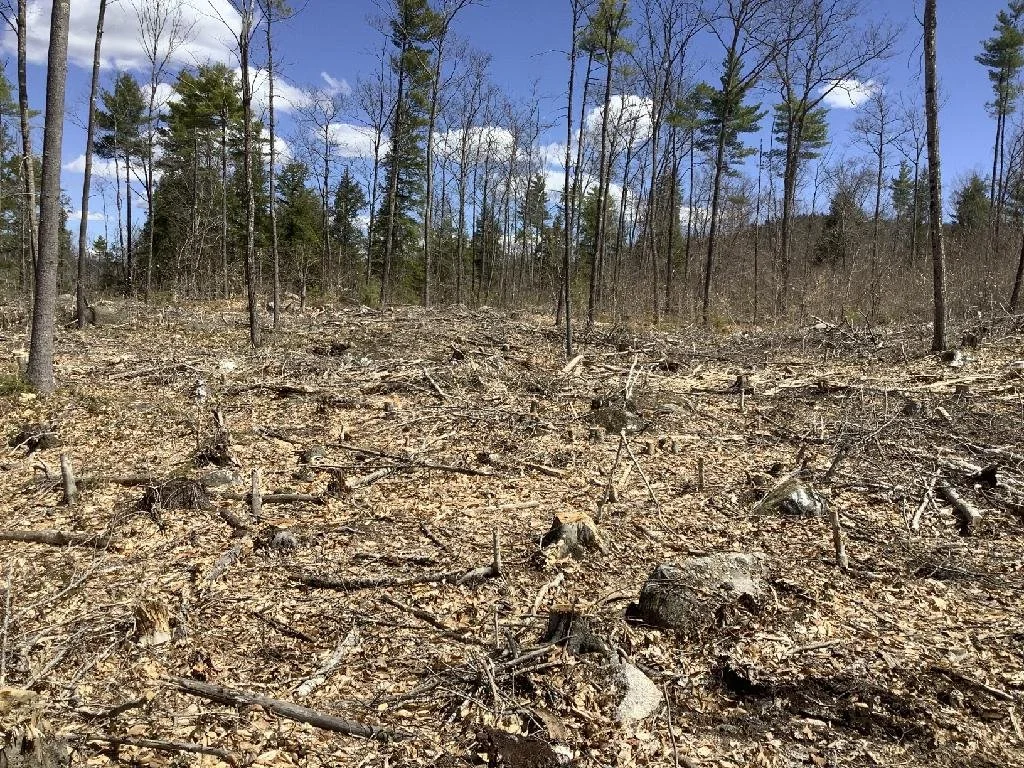
Creating Patch cuts To restore species diversity
Past forest management practices in our region unintentionally encouraged the establishment of beech thickets, which crowd out other species and throw dense shade on seedlings, thereby reducing tree diversity. We have turned several of these thickets into “patch cuts” (less than 1-acre areas where most trees are removed), which create a clean slate for a wider variety of trees and shrubs to take root and thrive. As the forests grow back, they also provide valuable shrubland habitat for deer, moose, ruffed grouse, woodcock, and a handful of rare songbird species that rely on young, shrubby growth for nesting habitat and forage.
Shoring up our riverbanks
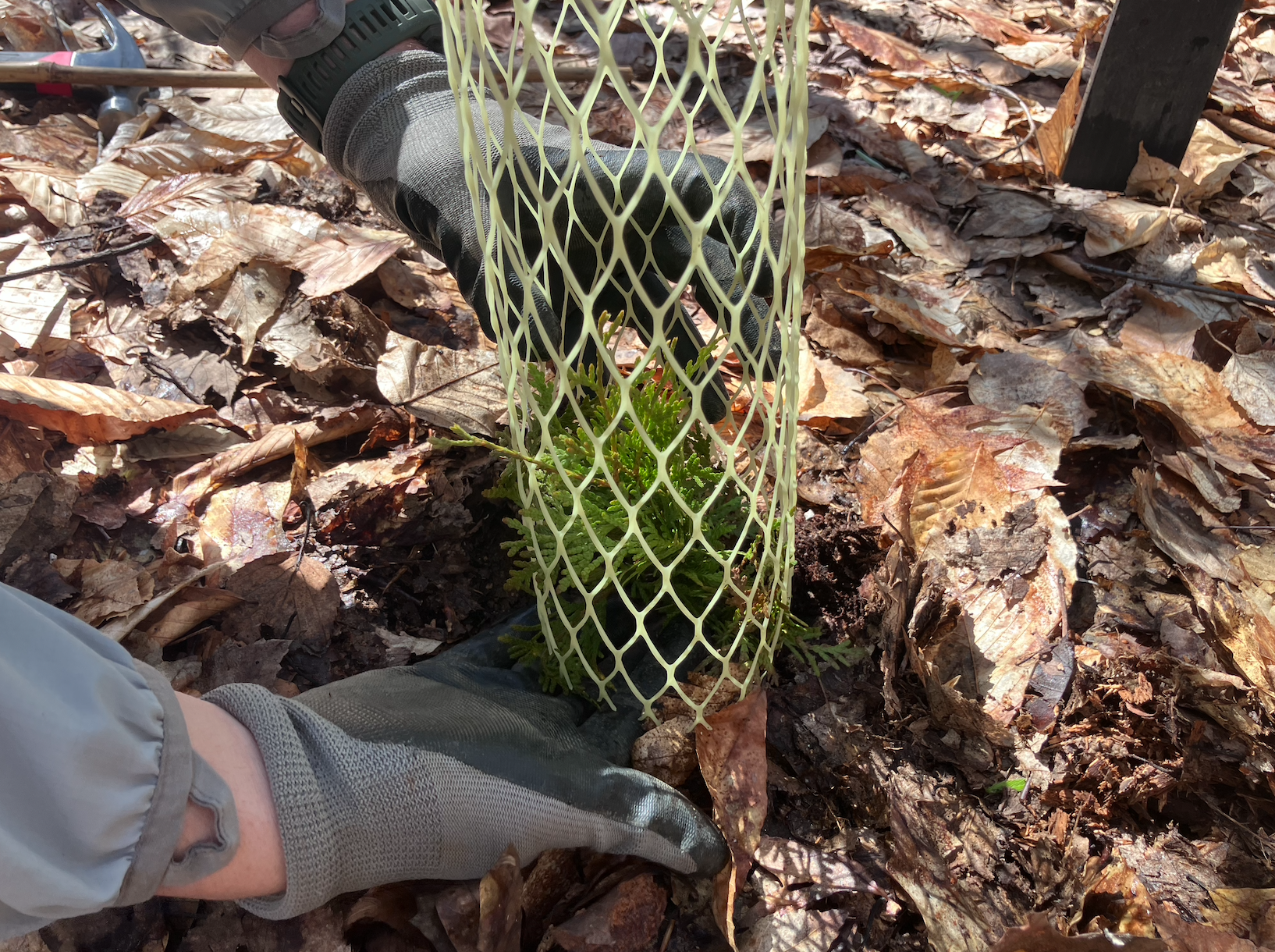
Over the last year, we have planted over 600 red spruce and northern white-cedar seedlings on steep slopes along the Kezar River. These slopes are dominated by eastern hemlock, a tree that is vulnerable to hemlock woolly adelgid. Currently, an infestation could kill most existing trees on these slopes, resulting in ecological disruption and water quality issues from soil runoff. By underplanting the stand with other species, we are ensuring that ecologically similar trees will be ready and waiting to help these stands recover and hold soil in place after a major pest outbreak.

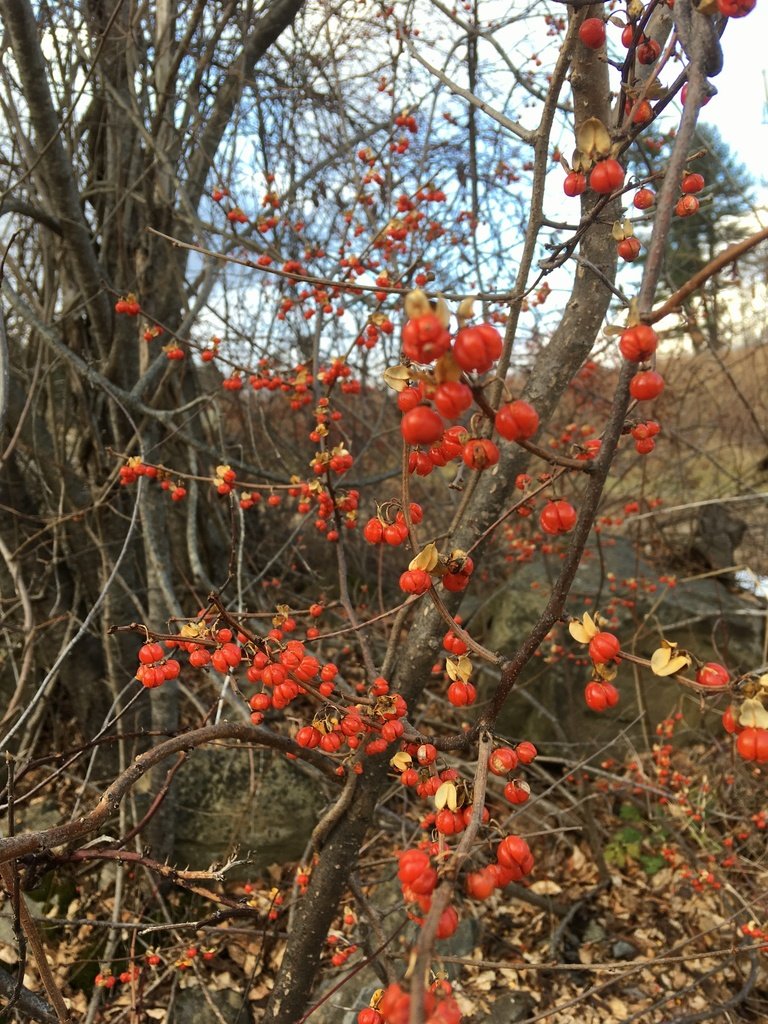
Treating Invasive Species
Invasive species encroachment is not a question of if but when. To date, Greater Lovell Land Trust has experienced invasive species in only limited numbers. But as the climate warms and the region’s forests become more fragmented, we will see an increase in the frequency and intensity of invasions, which may displace native species and degrade habitat. We hope to use volunteer efforts to help us detect and treat invasives before they severely damage our natural communities.
Retaining reserves of “untouched” forest to protect sensitive resources
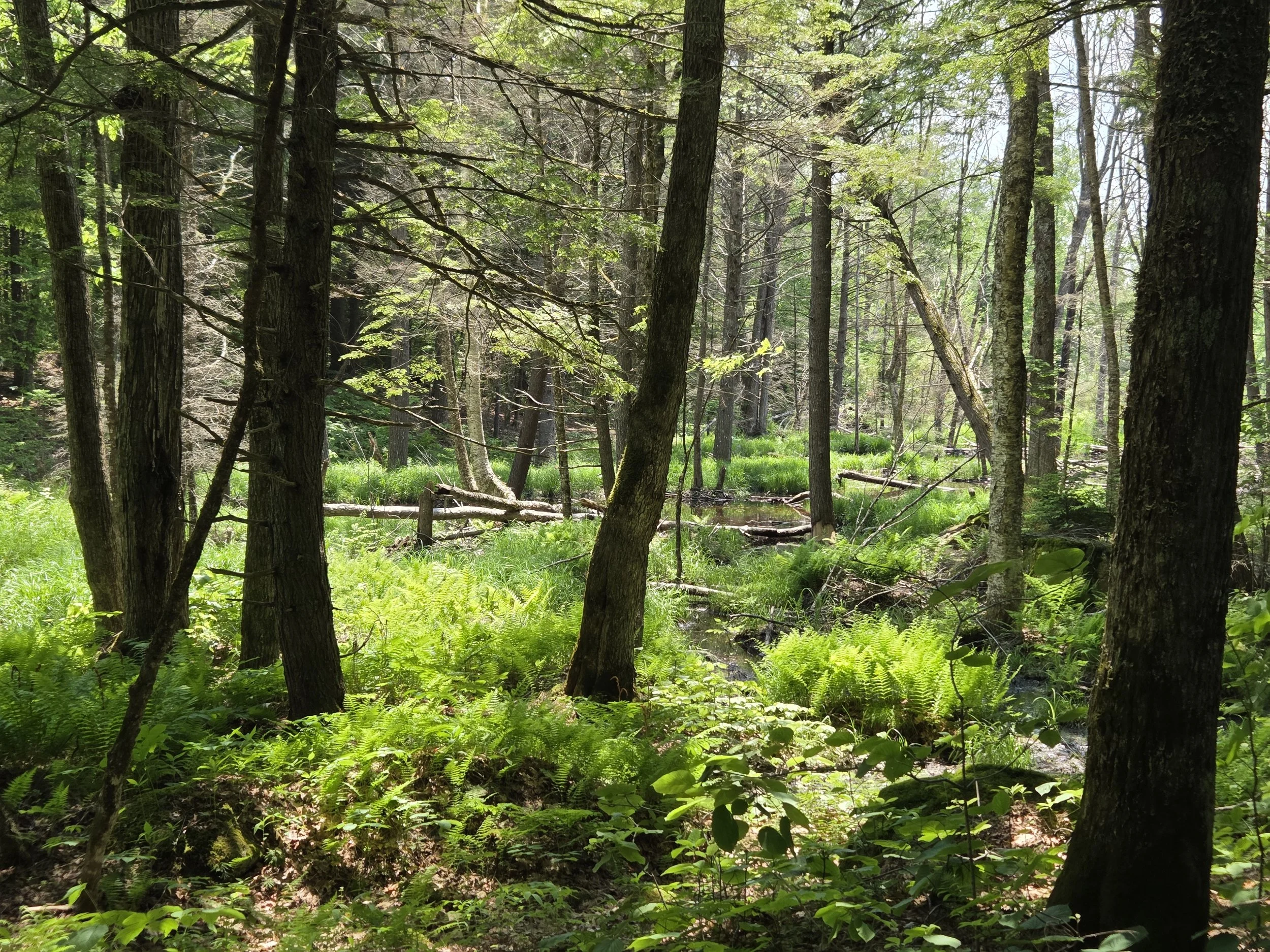
Although no forest is truly untouched by human impact, allowing some blocks of forest to grow without intensive management is an important part of our diversified climate resiliency strategy. These “unmanaged” blocks of forest retain local genetics and often overlap with sensitive cultural resources (such as old homesteads), are home to rare plant species, or are adjacent to wetlands or rivers. They also serve as baseline reference sites that allow us to evaluate the success of our active management strategies conducted elsewhere.
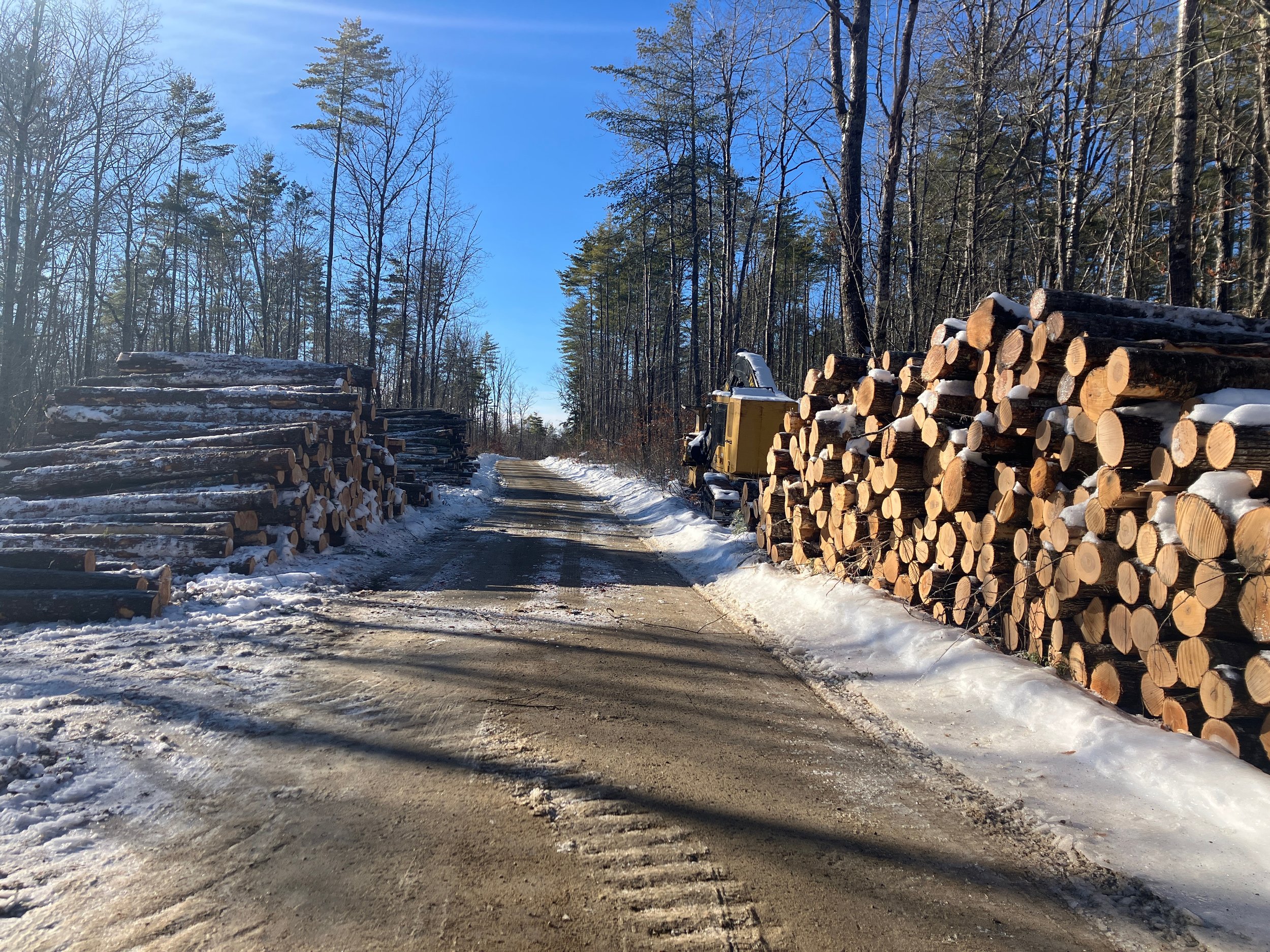
Supporting Maine’s Timber Professionals and local economy
Everyone uses forest products. From providing edible goods like maple syrup and teas, to the wood we use to build our homes, to paper products for packaging, forests are a part of our daily lives. New England produces about 76% of the wood it consumes each year, the vast majority of which comes from Maine (Beyond the Illusion of Preservation).
By supporting the local timber industry, we support local foresters, timber crews, mills, and a way of life that has existed in Maine for generations. We also have a chance to ensure that more of the wood we use in our daily lives is produced in a responsible way (and we avoid burning the fossil fuels it would take to import timber from elsewhere).
Questions? Please contact GLLT’s Conservation Lands Manager, Ben Borgmann-Winter: ben.borgmann-winter@gllt.org